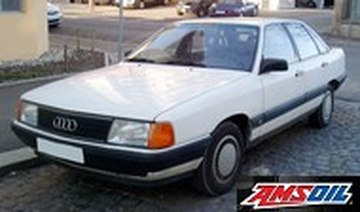
Lubrication Maintenance for the 1983 Audi 5000 2.2L
Maintaining the engine lubrication system in a vehicle like the 1983 Audi 5000 with the 2.2L [C] WK Turbo engine requires consistent attention to detail. Because this specific powerplant utilizes turbocharging, the thermal environment and the demands placed on the lubricant are significant factors for any owner or technician to consider during routine service intervals.
Monitoring Engine Fluid Integrity
A proactive approach to maintenance involves regular observations of the engine's operating fluids. For an older vehicle, identifying changes in fluid condition can be a vital part of preventative care. Owners should look for several indicators that may suggest the need for closer inspection:
- Changes in Lubricant Appearance: If the oil appears excessively dark or contains visible particulates, it may indicate that the lubricant has undergone significant thermal stress or that contaminants are present.
- Evidence of Seepage: Periodically inspecting the area around the engine block and various sealing surfaces can help identify slow leaks. Any signs of wetness or residue on gaskets and seals should be investigated to prevent more significant issues later.
- Unusual Odors: A burning smell during or after operation may indicate that oil is contacting hot components, which warrants a thorough visual inspection of the engine bay.
It is important to note that many different factors can cause these symptoms. Rather than assuming a specific component has failed, these signs should be treated as prompts for a more detailed diagnostic evaluation.
Managing Long-Term Engine Care
As vehicles age, the strategy for maintenance often shifts from strictly following a schedule to a condition-based approach. For the 1983 Audi 5000, this means prioritizing tasks based on the actual state of the mechanical components rather than just the passage of time.
If service history is incomplete, establishing a baseline is an excellent first step. This involves performing a comprehensive inspection of all major systems and documenting the current condition of fluids, belts (if equipped), and hoses. Once this baseline is established, any deviations from this initial state can be tracked over time. Keeping detailed records of every oil change, filter replacement, and mechanical repair provides a clear picture of the vehicle's health and helps in making informed decisions about future maintenance priorities.
When addressing an older engine, it is often more effective to focus on active concerns—such as a detected leak or a change in how the engine sounds—before moving into purely speculative parts replacement. This ensures that maintenance efforts are directed where they are most needed for the continued operation of the 2.2L engine.
Observing Potential Operational Indicators
Beyond visual inspections, an owner can learn much from the way the vehicle behaves during operation. While no single symptom provides a definitive diagnosis, certain patterns should be noted:
- Changes in Engine Sound: Any new or persistent mechanical noises that were not previously present should be investigated by a professional.
- Exhaust Observations: Changes in the color or consistency of exhaust gases can sometimes be associated with internal engine conditions and should not be ignored.
- Warning Indicators: If any dashboard indicators related to engine operation illuminate, immediate attention is required to prevent potential damage.
By remaining observant of these subtle changes, an owner can often address minor issues before they escalate into more complex mechanical requirements.
Inspecting Auxiliary Components
While the primary focus of lubrication maintenance is the engine oil itself, other components in the engine compartment play a role in overall system health. If equipped, accessible drive belts should be inspected for signs of wear such as cracking, glazing, or fraying. Similarly, if present, rubber hoses should be checked for softness, swelling, or evidence of leaks at their connection points.
Electrical connections and wiring harnesses should also be examined for signs of brittleness or corrosion, as these can impact the performance of various engine-related sensors and systems. Maintaining a clean engine environment also assists in the early detection of leaks, as dirt and grime can often mask small amounts of escaping fluid.
Selecting Lubricants for the 2.2L Turbo Engine
The selection of an appropriate lubricant is critical for the longevity of the 1983 Audi 5000's turbo engine. Because turbochargers operate at high speeds and under significant heat, the thermal stability and oxidation resistance of the oil are paramount. High-quality lubricants are designed to maintain their viscosity and protective properties even when subjected to these demanding conditions.
When considering different types of oil, it is helpful to understand the general characteristics available in the market:
- Conventional Oils: These are standard mineral-based lubricants.
- Synthetic and Synthetic Blends: These formulations often provide enhanced stability under high temperatures and better flow during cold starts compared to conventional options.
- High-Mileage Formulations: Some of these products contain additives intended for use in aging engines, including seal-conditioning agents that may help maintain the integrity of older gaskets.
Regardless of the formulation chosen, always ensure the product meets the appropriate API certification standards to guarantee a baseline level of performance and protection.
Practical Advice for Buying Engine Oil for your 1983 Audi 5000 2.2L
When you are ready to purchase new lubricant, do not rely on general automotive knowledge or assumptions based on the vehicle's age. The most important step is to match the engine oil to the application-specific viscosity and requirements already displayed in the information section of this webpage. Always verify that the product label matches these specific details before completing your purchase. By following the provided application data, you ensure that the lubricant provides the correct level of protection for the unique requirements of the 2.2L [C] WK Turbo engine.